
Subbrow and Suprabrow Lift: Targeted Forehead Lifting
Both place the incision at the brow rather than in the hairline, which keeps the work local. Here is what separates them at IBON Plastic Surgery.
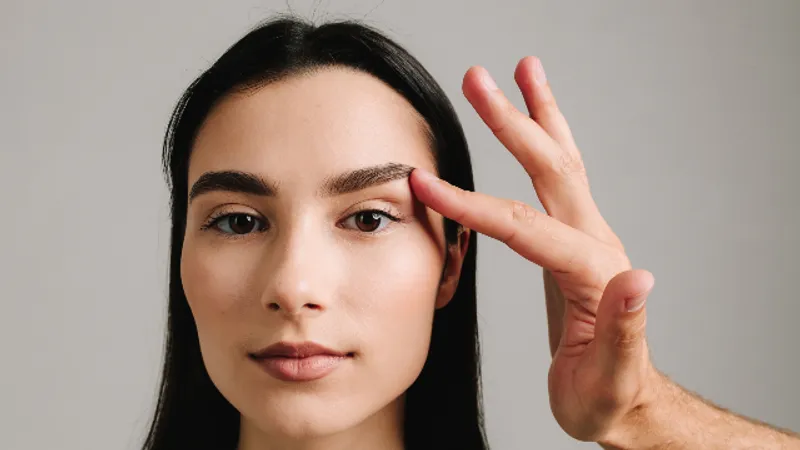
Subbrow and Suprabrow Lift: Targeted Forehead Lifting Procedure Guide
Medically reviewed by Dr. Kim Ju-Chan, Board-Certified Plastic Surgeon
These two procedures are easy to confuse because their names differ by a prefix and their descriptions read almost identically. IBON Plastic Surgery's published material separates them on two points: where the incision sits relative to the eyebrow, and how much of the brow each one is aiming at. Both keep the work local rather than traveling across the forehead, and both put their incision on skin you can see. This guide sets out what the clinic states about each.
Two Incisions, Two Targets
Subbrow lift. The clinic describes it as a surgical procedure that elevates the brow from an incision placed near or within the lower edge of the eyebrow. It is described as helping brow position while reducing the appearance of upper-eyelid skin heaviness, with the patient's natural features maintained.
Suprabrow lift. Described as a brow-lifting procedure that elevates the outer or lateral portion of the eyebrow through an incision placed near or within the brow area above. It may help improve lateral brow position and the appearance of upper-eyelid or outer-eye heaviness.
One works from below the brow, one from above it. And where the first is described in terms of the brow generally with the upper lid in mind, the second is described as aiming specifically at the outer or lateral portion.
Who Each One Is For
Subbrow candidates are described as adults with brow descent, localized upper-eyelid heaviness, excess skin near the outer or central brow, or brow asymmetry, with realistic expectations and medical suitability.
Suprabrow candidates are described as adults with a low or drooping lateral brow, mild-to-moderate brow asymmetry, or upper-eye heaviness partly related to brow position, with realistic expectations.
Read them together and two words stand out. Localized in the first; lateral in the second. Both are narrower than a full forehead procedure, and the second is narrower than the first.
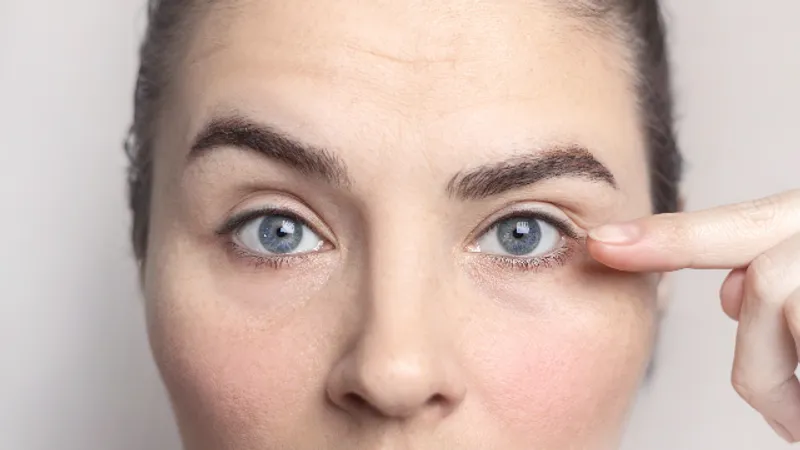
The Exclusion That Only One Carries
The two exclusion lists share the ordinary items — uncontrolled medical conditions, active infection around the treatment area, unrealistic expectations, and individual assessment required in every case. Each adds one of its own.
Subbrow puts significant untreated dry-eye problems on its list of reasons to wait or to look at something else. Of the two, this is the route operating nearest the lid, so the caution tracks the anatomy. MedlinePlus, the U.S. National Library of Medicine's consumer health service, explains why the tear film is worth protecting: blinking spreads tears across the eye's surface to keep it clean and moist, which matters for sight as well as comfort.
Suprabrow names something structural instead: insufficient brow or forehead tissue for the planned technique. A lift needs material to lift with, and where that material is not present the technique is not available regardless of how suitable the patient is otherwise.
What Each Assessment Covers
Subbrow. Brow height and symmetry, upper-eyelid skin excess, eyelid function, facial proportions, skin quality, medical history, and the patient's desired brow position — after which the incision and the amount of lifting are planned.
Suprabrow. Brow position and symmetry, forehead and upper-eyelid anatomy, skin quality, the degree of brow descent, and the desired brow position, with medical history, previous procedures, and expectations reviewed before selecting the approach.
Both lists include eyelid material, which is the clinic acknowledging what these operations are frequently for: heaviness that reads as an eyelid problem and originates above it.
The Published Steps
The two sequences are parallel and the difference is in step three.
Subbrow. Assessment and surgical marking; local anesthesia with sedation when appropriate; an incision along the lower edge of the eyebrow; release and elevation of the targeted brow tissues; fixation in the planned position; careful closure; postoperative observation and discharge.
Suprabrow. Assessment and marking; anesthesia; an incision near the upper brow area; release and elevation of the targeted tissues; fixation in the planned position; closure; postoperative monitoring and discharge.
Release, elevate, fix. That is the mechanism in both cases, and it is the same mechanism the hairline route uses — applied over a shorter distance and through an opening at the brow.
Anesthesia
For the subbrow route, local anesthesia is described as commonly used, with sedation or another form considered depending on the surgical plan and patient needs. For the suprabrow route, local anesthesia may be used, with sedation or another form selected according to the plan and the patient.
MedlinePlus explains the categories: a local anesthetic numbs a limited area while you remain awake, and sedation added to it is graded rather than absolute. Neither of these routes is described as reaching general anesthesia, which is a practical difference from the hairline technique.
What Can Go Wrong
Subbrow. Early on: swelling, bruising, a tight feeling, numbness, discomfort, sides that do not match. Beyond that the list names a scar that shows or spreads; thinning hair where the incision was; infection; bleeding; changes in sensation; and the brow drifting back down. Complications involving the eye itself are described as uncommon, though still worth raising at consultation.
Suprabrow. The early items are the familiar ones — swelling, bruising, numbness or tightness that passes, discomfort. Beyond those: a scar; sides that do not match; a brow that ends up somewhere other than planned; hair thinning where the incision was; infection; bleeding; symptoms involving the nerves; and a result the patient is not happy with. The clinic adds that a second operation is occasionally needed.
The item to notice is visible or widened scarring on the subbrow list. An incision at the lower edge of the eyebrow sits on skin that shows, and the clinic says so rather than leaving it implied. That is the cost of keeping the work local.
The suprabrow note about revision surgery is similarly direct and belongs in the decision rather than in the fine print.
Recovery
Subbrow. Swelling and bruising most noticeable early, improving gradually; many patients resume routine activities within several days to a couple of weeks depending on extent and individual healing, with strenuous activity waiting for clearance.
Suprabrow. Bruising and swelling most noticeable during the first several days, improving over the following weeks, with a progressive return to normal activities as healing allows, and final scar maturation and soft-tissue settling taking several months.
Both are described as outpatient surgery. Neither carries a published operating time, because it varies with technique and with whatever else is done at the same time — and the suprabrow description adds that the number of follow-up visits varies with technique, extent of correction, anesthesia, and individual recovery.
How Long They Hold
Subbrow. The brow position becomes clearer as swelling subsides over the following weeks; scar maturation and final soft-tissue settling take longer, and longevity varies with aging, skin elasticity, lifestyle, and individual anatomy.
Suprabrow. Initial improvement may be visible after swelling decreases, but brow position and scars continue to settle during healing; results can be long-lasting while natural aging and changes in skin and soft tissue continue.
Recurrence of brow descent appears on the subbrow risk list and changes in brow position on the suprabrow list — the same honesty, phrased twice.
The Trade Both of These Routes Make
Each of these operations buys locality and pays for it on the surface.
Working from the brow edge means traveling almost no distance under the skin. The release and elevation happen where the finding is, which is why both descriptions use words like localized and targeted.
The cost is that the opening is on skin somebody can look at. That is the reason the subbrow list names visible or widened scarring by name rather than leaving it implied.
Neither the benefit nor the cost is negotiable; they are the same fact seen twice. What varies is whether the trade suits your face — which depends on where the descent sits, how much brow needs moving, and how your skin scars.
What you should not do is choose by how a scar sounds and hope the finding cooperates. Both candidacy descriptions are written around findings, not preferences.
Reading "Targeted" Honestly
Both procedures are described in language that emphasizes keeping things local and maintaining natural features. That is a genuine selling point and it has a corollary worth stating.
A localized operation addresses a localized finding. Where the whole forehead has descended, a route that lifts one part of the brow produces a partial result — not a failed one, but an incomplete one relative to the complaint.
So the question to settle before the technique is settled is how wide the finding is. The subbrow assessment looks at brow height and symmetry alongside upper-eyelid skin excess; the suprabrow assessment looks at the degree of brow descent alongside forehead anatomy. Both are measuring extent, and extent is what decides whether a targeted route is enough.
If it is not, the answer is a different operation rather than more of this one.
Questions Worth Asking
- Is my finding across the brow, or mainly at the outer end?
- Which route are you recommending, and where exactly will the incision sit?
- What will that line look like at three months and at a year?
- Do I have enough brow or forehead tissue for what you are planning?
- How many follow-up visits should I expect?
StatPearls describes consent as a discussion covering the nature of the intervention, its balance of risk and benefit, and the alternatives — which here include the other brow-edge route, the hairline technique, an eyelid procedure, or nothing. MedlinePlus recommends preparing questions in advance and taking notes during the appointment.
You can put them in writing beforehand at the practice's contact page, and published results sit on the before-and-after page — selected cases rather than a cross-section.

The Bottom Line
- Neither operation enters the scalp. Each opens at the eyebrow itself, so the surgery stays near what it is correcting and the resulting line lands on skin that shows.
- The subbrow incision sits near or within the lower edge of the eyebrow; the suprabrow incision sits near or within the brow area above, aiming at the outer or lateral brow.
- The subbrow list names significant untreated dry-eye problems; the suprabrow list names insufficient brow or forehead tissue for the planned technique.
- Visible or widened scarring is named specifically for the subbrow route, and the suprabrow route notes that revision surgery may occasionally be required.
- Neither carries a published operating time, and the number of suprabrow follow-up visits is described as varying with technique, extent, anesthesia, and recovery.
Frequently Asked Questions
What is the difference between the two?
Where the incision sits and how much brow is targeted. Subbrow works from near or within the lower edge of the eyebrow; suprabrow works from near or within the brow area above and elevates the outer or lateral portion.
Which one helps a heavy upper eyelid?
The subbrow route is described as reducing the appearance of upper-eyelid skin heaviness related to brow position; the suprabrow route as improving upper-eyelid or outer-eye heaviness partly related to brow position.
Will the scar show?
Both openings are made on skin that is visible. The subbrow disclosure names a scar that shows or widens as its own item, and maturation of that line is described in months rather than weeks.
Who is not suitable?
Both lists name uncontrolled medical conditions, active infection around the treatment area, and unrealistic expectations. Subbrow adds significant untreated dry-eye problems; suprabrow adds insufficient brow or forehead tissue for the planned technique.
How long is the recovery?
Swelling and bruising are most noticeable early. Subbrow patients often resume routine activities within several days to a couple of weeks; suprabrow scar maturation and soft-tissue settling can take several months.
How long does the operation take?
Neither is published, because surgical time varies with technique and with whether other procedures are performed at the same time.
Do the results last?
Both are described as long-lasting while aging continues. Recurrence of brow descent appears on the subbrow list and changes in brow position on the suprabrow list.
This article is for general informational purposes and does not constitute individualized medical advice, and it is not a self-diagnosis tool. Surgical candidacy, technique, and expected outcomes can only be determined through a consultation with a qualified plastic surgeon.
References & Sources
- MedlinePlus — Plastic and Cosmetic Surgery
- MedlinePlus — Tears
- MedlinePlus — Anesthesia
- MedlinePlus — After Surgery
- StatPearls — Informed Consent
Schedule a 1:1 Consultation with Dr. Ju-Chan Kim
Have questions about recovery time, surgical planning, or transparent pricing in Busan? Contact our international patient team today.
Book Consultation →