
Double Eyelid Recovery: Stages, Not a Single Date
Recovery from double eyelid surgery is published as stages with different end points. Here is what each stage covers and when the crease is actually finished.
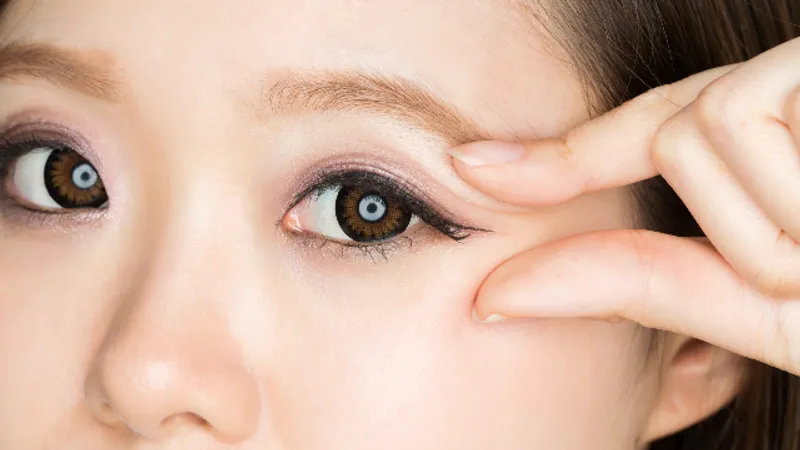
How Many Days of Recovery Are Needed After Double Eyelid Surgery?
Medically reviewed by Dr. Kim Ju-Chan, Board-Certified Plastic Surgeon
The question has a number in it, and the honest answer does not. IBON Plastic Surgery's published material describes double eyelid recovery as a sequence of stages with different end points rather than as a single count of days — and the stages finish weeks apart. This article sets out what each one covers, so that the figure you are eventually given by your surgeon lands in the right place.
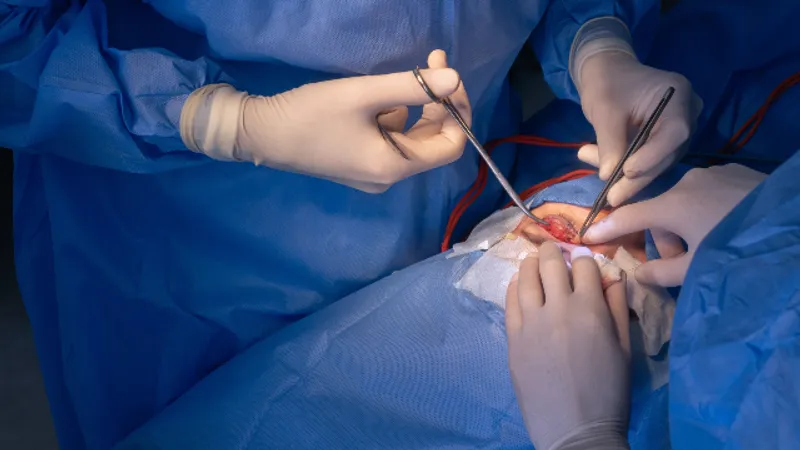
The Stages, and Where Each One Ends
Four things happen on four different schedules.
Early swelling and bruising. The clinic describes temporary swelling, bruising, and asymmetry as common after double eyelid surgery, improving gradually. For the partial-incision route it gives approximately five days in one place and one to two weeks in another, describing both as general references. For the incisional method it describes swelling and bruising as more noticeable during the early recovery period, improving over the following weeks.
Sutures. Where non-dissolving sutures are used they have to come out. Partial-incision double eyelid surgery describes removal around day five to seven. That appointment is a fixed point on the calendar rather than an estimate.
Return to ordinary life. The aftercare instructions ask patients to protect the eyes, avoid rubbing the treated area, and limit strenuous activity according to the surgeon's instructions. Ordinary activity and strenuous activity are two different permissions, and the second comes later.
The crease settling. This is the slowest one. The crease continues to settle as postoperative swelling decreases and tissues heal, with the final appearance taking considerably longer than the visible recovery.
Put those four stages together and the shape is clear: days for the worst of the swelling, about a week for sutures where they need removing, a week or two before you look ordinary, and months before the crease has finished settling.
Why the Route Changes the Early Stage
The technique you have affects the first stage more than the last.
The non-incisional buried suture method lists a relatively short recovery period among its potential benefits, alongside limited skin incision and less tissue disruption. Nothing is removed, so there is less to resolve.
The incisional method opens the crease line and can address excess skin, fat, or muscle, which is why its early swelling and bruising are described as more noticeable, improving over the following weeks.
Natural adhesion sits differently again: the crease is described as developing as healing progresses, so the early period is less about waiting for swelling to clear and more about the fold arriving.
Partial incision, working through small openings, carries the five-day-to-two-week general reference and the day five to seven suture removal.
The operation itself takes roughly thirty to sixty minutes depending on technique and case, and is usually performed with patients monitored briefly afterward before returning home the same day.
What "General Reference" Means
The clinic uses that phrase deliberately, and it is worth taking at face value.
A published figure describes what is typical, not what is promised. The material repeatedly says recovery varies according to individual healing, and for revision work adds that it varies with the method used as well. Two people having the same operation on the same day can be a week apart at the two-week mark without either being abnormal.
That is the reason a surgeon gives you a schedule after examining you rather than before, and the reason a number from a forum is a description of somebody else's lid.
Judging the Result
The most common mistake is evaluating a crease during the settling stage.
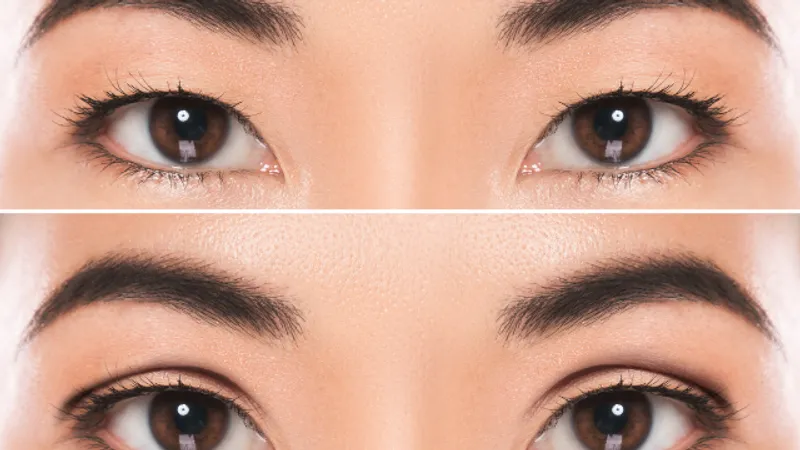
Early swelling makes a fold look higher, deeper, and more pronounced than it will be. As swelling decreases the crease drops toward its final position, which means a result that looks too strong at two weeks is frequently not too strong at three months.
The published language supports waiting: the crease continues to settle as swelling goes down and the tissues heal, with the final appearance and how long it lasts varying by individual. Revision double eyelid surgery — an entire service built around unsatisfactory previous results — assesses the existing crease and eyelid tissues before planning anything, which is not an assessment worth making on tissue that is still moving.
So: note what you see, photograph it, raise anything that worries you with the surgeon, and hold the verdict.
What the Clinic Asks You to Do
Across the crease procedures the aftercare instructions are consistent. Follow the wound-care and medication guidance, use prescribed medication as directed, and attend the scheduled follow-up visits. Protect the eyes, avoid rubbing the treated area, and keep strenuous activity on hold until cleared.
Two instructions sit outside the timeline entirely. Patients are told to contact the surgeon if they experience significant pain, severe swelling, vision changes, or other concerning symptoms — and for revision procedures, to report unusual bleeding, infection, or inflammation promptly. Those apply on any day of any stage.
MedlinePlus, the U.S. National Library of Medicine's consumer health service, sets the general expectation: after a procedure some discomfort is usual, along with swelling and soreness around the treated area, and the practical step is to ask your own clinician what to expect in your case and when normal activity becomes reasonable again.
Questions That Produce a Usable Answer
- Which technique are you recommending, and what early recovery does it carry?
- Will my sutures need removing, and on what day?
- When can I resume ordinary activity, and separately, strenuous activity?
- At what point should I judge the crease?
- What would you want to see me about before that point?
MedlinePlus recommends writing questions down in advance and taking notes during the appointment — worth doing here because you will be given several numbers at once and they belong to different stages.
StatPearls describes consent as a discussion of the intervention, its risks against its benefits, and the alternatives. Recovery belongs there too: a stage you cannot accommodate changes which technique makes sense.
Written questions go to the practice through its contact page, and the way it describes planning each case individually sits on the about us page.
The Bottom Line
- Recovery is published as stages with different end points, not as one number of days.
- Early swelling and bruising: approximately five days to one to two weeks for the partial-incision route, described as a general reference; more noticeable early and improving over following weeks for the incisional method.
- Sutures, where non-dissolving ones are used, come out around day five to seven for partial incision.
- Ordinary activity and strenuous activity are separate permissions, the second requiring the surgeon's clearance.
- The crease continues to settle as swelling decreases and tissues heal, which is why the result should be judged months out rather than weeks.
Frequently Asked Questions
How many days will I need?
The clinic describes stages rather than a single figure. For partial incision it gives approximately five days in one place and one to two weeks in another, calling both general references, with sutures out around day five to seven.
Does the technique change the recovery?
The early stage, yes. The buried suture method lists a relatively short recovery among its potential benefits, while the incisional method describes swelling and bruising as more noticeable early and improving over following weeks.
When do stitches come out?
Where non-dissolving sutures are used. Partial-incision double eyelid surgery describes removal around day five to seven; confirm your own schedule with the clinic.
When can I exercise again?
When the surgeon clears it. The aftercare instructions treat strenuous activity as a separate and later permission than ordinary daily activity.
My crease looks too high. Is that normal?
Early swelling makes a fold read higher and deeper than it will be. The published language has the crease settling as swelling decreases and tissues heal, so raise it with the surgeon but do not treat an early appearance as the result.
When is the crease final?
Considerably later than the visible recovery — the material describes the crease continuing to settle as tissues heal, with the final appearance varying by individual.
What should make me contact the clinic?
Significant pain, severe swelling, vision changes, or other concerning symptoms, and — after revision surgery — unusual bleeding, infection, or inflammation. Those apply at any stage.
This article is for general informational purposes and does not constitute individualized medical advice, and it is not a self-diagnosis tool. Recovery, surgical candidacy, and expected outcomes can only be determined through a consultation with a qualified plastic surgeon.
References & Sources
- MedlinePlus — After Surgery
- MedlinePlus — Eyelid Disorders
- MedlinePlus — Surgery
- MedlinePlus — Talking With Your Doctor
- StatPearls — Informed Consent
Schedule a 1:1 Consultation with Dr. Ju-Chan Kim
Have questions about recovery time, surgical planning, or transparent pricing in Busan? Contact our international patient team today.
Book Consultation →